
Key takeaways
- Both cities run dedicated film offices that issue location permits and coordinate with police, transportation, parks and other departments.
- In Toronto, standard permits need a minimum of 2 business days (3 if City parks are involved), $2,000,000 per-occurrence general liability insurance naming the City, and resident notification at least 48 hours before arrival.
- In Vancouver, the City's film office issues location and related permits under its Filming Guidelines, with extra guidelines for business improvement areas (BIAs).
- Community goodwill is a shared resource: notification letters, parking discipline and respectful crews keep neighbourhoods film-friendly for everyone.
Every location day starts long before the trucks arrive. Somewhere in the production office, a locations team has scouted, negotiated, photographed, mapped parking, drafted letters, called the film office and chased insurance certificates. Permits are the formal end of that work — and they are where productions either build goodwill with a neighbourhood or burn it for everyone who comes after.
This guide compares how location filming permits work in Canada's two largest production centres, Vancouver and Toronto. It is written for producers and location teams new to either city, and for the businesses — security, traffic control, parking, catering, waste — that make a compliant location day possible. Requirements change, so treat this as a roadmap and always confirm the current rules with the relevant film office.
Why permits exist (and why they help productions)
A film permit is the city's way of balancing three interests: the production's need to work efficiently, residents' and businesses' right to use their streets and enjoy their homes, and public safety. In return for following the rules, productions get access to public space, coordinated support from city departments, and a clear framework for what is and is not allowed. Done well, permitting turns a potentially disruptive event into a predictable one.
Filming in Toronto
The City of Toronto's film office publishes detailed Guidelines for Filming in Toronto. The key requirements below are drawn from those guidelines.
Lead times
- Standard filming permits require a minimum of 2 business days, not counting the day of submission.
- If filming involves City parks, the minimum is 3 business days.
- Applications are accepted Monday to Friday, 8:30 a.m. to 4:30 p.m., and permits are issued by the business day before the earliest filming date.
Those are minimums. Complex shoots — road closures, stunts, special effects, multiple locations — need much more lead time to coordinate with transportation and emergency services.
Insurance
Before a permit is issued, productions must provide a certificate of comprehensive general liability insurance of $2,000,000 per occurrence, with the City named as an additional insured.
Notifying the neighbourhood
Toronto requires productions to give written notice to affected residents and businesses at least 48 hours before their earliest arrival. The notice must describe the location, the duration, any special effects and any road closures. For late-night filming between 11 p.m. and 7 a.m. in residential areas, productions must distribute a "Have Your Say" letter that asks the community for feedback before the City will consider the request.
Hours and frequency
- Standard filming hours in residential areas are 7 a.m. to 11 p.m.
- To prevent "film fatigue", residential areas are generally limited to two filming occasions per calendar year for each residential block.
- Student filming is not permitted between 11 p.m. and 7 a.m.
Parking and vehicles
Production vehicles with commercial (black) plates can receive parking permits; personal vehicles with passenger (blue) plates will not. Vehicles are not permitted to idle, and productions pay all associated costs.
Police and safety
Paid-duty police officers are required for pyrotechnics, simulated gunfire, prop weapons visible to the public and traffic stoppages, with costs borne by the production.
Fees
Depending on what is used — roads, City properties, parks or equipment — fees may apply, and the City provides an estimate before issuing the permit.
Filming in Vancouver
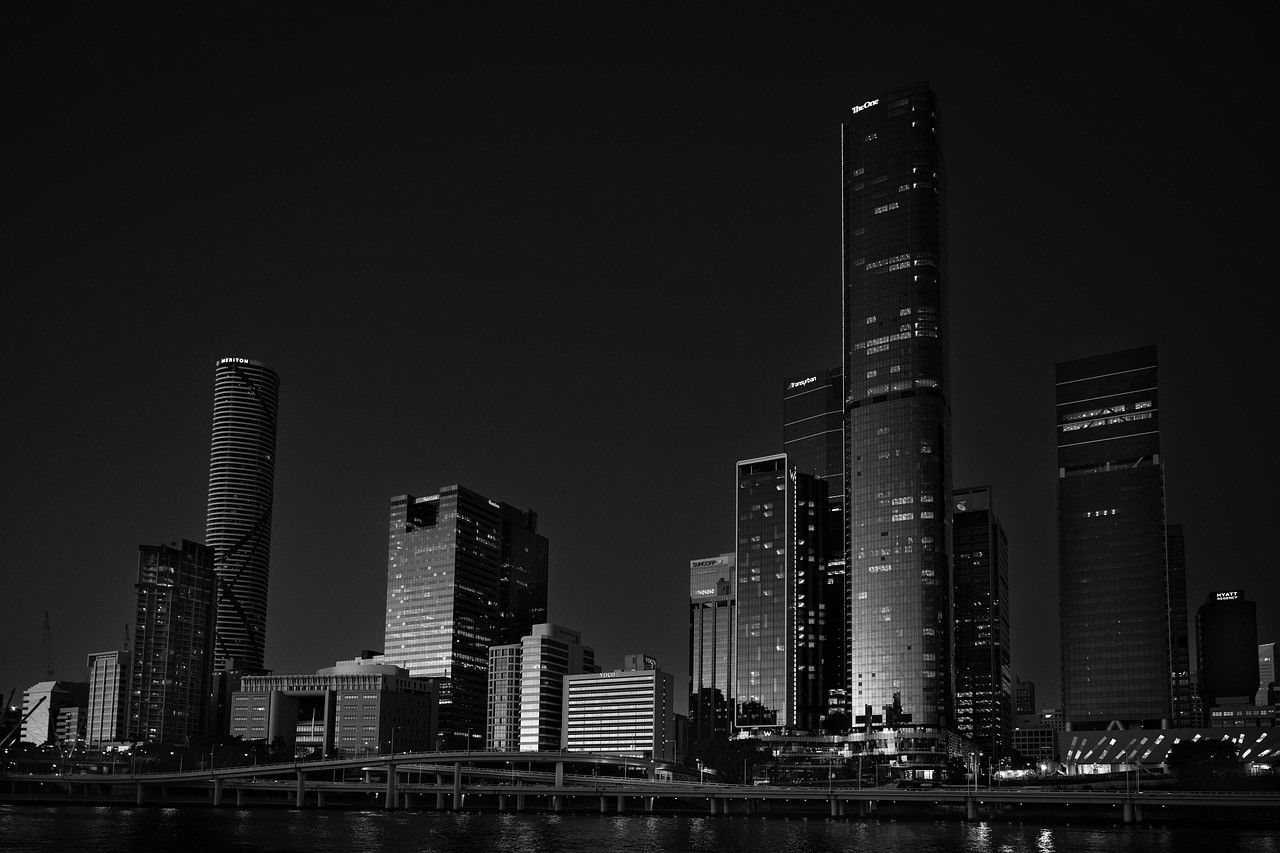
The City of Vancouver's film office issues film location permits and related permits tailored to each production's needs, and publishes Filming Guidelines, a fee schedule, information on student filming and guidance on scouting locations. The City can be reached through 3-1-1 (or 604-873-7000 from outside Vancouver). The broad shape of the process will feel familiar to anyone who has filmed in Toronto:
- Scout and select locations, then contact the film office early to flag anything unusual: street closures, stunts, effects, or heavy equipment.
- Submit a permit application with your location details, schedule, parking plan and site map.
- Provide proof of insurance naming the City as additional insured. Confirm the current required limit with the film office, as requirements vary by activity.
- Notify affected residents and businesses in writing before you arrive, following the City's guidelines on content and timing.
- Coordinate supporting permits — parks, traffic management, special effects — and arrange police or traffic control where required.
- Pay applicable fees according to the City's filming fee schedule.
Business improvement areas
Vancouver publishes specific guidelines for filming in business improvement areas. Commercial streets are popular because they double for so many places, but merchants depend on foot traffic and parking. Expect extra expectations around consultation, access to storefronts and minimising the impact on trading hours.
Beyond the City of Vancouver
Metro Vancouver is made up of many municipalities, and each one — the City of North Vancouver, Burnaby, Surrey, Richmond, Coquitlam and others — sets its own filming procedures, fees and notification rules. A single production can easily work across five jurisdictions in a week. Location teams keep a matrix of each municipality's lead times, insurance requirements and notification radius; if you are new to the region, build that matrix first.
Side-by-side comparison
| Toronto | Vancouver | |
|---|---|---|
| Issuing body | City of Toronto film office | City of Vancouver film office (each Metro municipality has its own) |
| Minimum lead time | 2 business days; 3 with City parks | Varies by permit type — contact the film office early |
| Liability insurance | $2,000,000 per occurrence, City as additional insured | Required, City as additional insured — confirm current limit |
| Resident notice | Written notice ≥ 48 hours before arrival; "Have Your Say" letter for 11 p.m.–7 a.m. residential filming | Written notification per City guidelines; additional BIA guidelines |
| Residential frequency | Generally two occasions per block per calendar year | Managed through guidelines and neighbourhood impact review |
Being a good neighbour: practical habits
Most complaints about filming are not about the permit itself — they are about behaviour. The productions that are welcomed back tend to share the same habits:
- Write letters people actually read. Plain language, a map, real dates and times, and a phone number that is answered.
- Respect "no parking" zones you didn't reserve. Crew parking spilling into residential streets is the number one irritant.
- No idling. It is a rule in Toronto and simply good practice everywhere. Battery power and grid tie-ins make it easier (see our green production guide).
- Keep sidewalks open or provide safe, signed alternatives.
- Leave it cleaner than you found it. Book waste and recycling services as part of your location plan.
- Thank the neighbourhood. A follow-up note, a donation to a local cause or simply fixing what you damaged goes a long way.
Where suppliers fit in
Permitting is a team effort that relies on specialist vendors: traffic control and flagging companies, security firms, parking and shuttle providers, portable toilets and honeywagons, waste and recycling haulers, and signage printers. If you provide any of these services, make your compliance credentials obvious — certifications, insurance, experience with film offices. Productions under deadline pressure choose the vendor who removes risk. Find these categories in our BC and Ontario directories, or ask our sourcing concierge for a shortlist.
Frequently asked questions
Do I need a permit to film on private property?
You need the property owner's permission and a location agreement. You may still need a city permit if your activity affects public space — for example, parking production vehicles on the street, using sidewalks, or creating noise or effects that affect neighbours.
Do small crews need permits?
Many cities have simplified processes for small or student crews, but "small" is defined differently everywhere. If you use public property, park vehicles or affect traffic, contact the film office.
Can we film at night in residential areas?
In Toronto, late-night residential filming requires community feedback through a "Have Your Say" letter. In Vancouver and other municipalities, overnight requests are assessed under local guidelines. Expect more scrutiny and plan for it.
Sources and further reading
- City of Toronto — Guidelines for Filming in Toronto — toronto.ca
- City of Toronto — Letters of notification — toronto.ca
- City of Vancouver — Filming in Vancouver — vancouver.ca
- City of Vancouver — Guidelines for filming in business improvement areas — vancouver.ca
- City of North Vancouver — Film permit application — cnv.org
This article is general information. Always confirm current requirements with the relevant film office. See our disclaimer.